
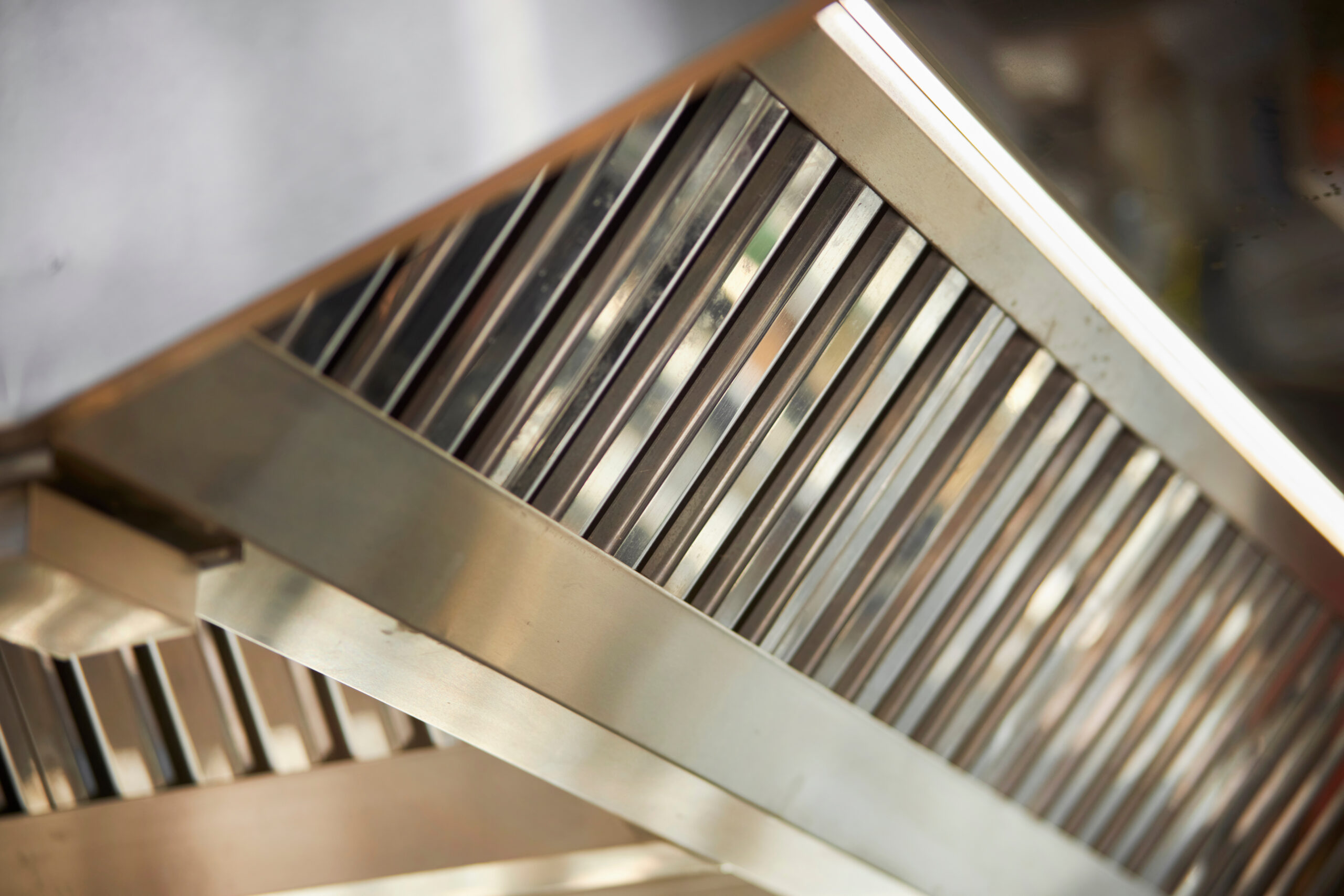
Reliable ventilation is essential for maintaining comfortable, clean, and healthy indoor environments. Whether in homes, offices, commercial buildings, workshops, or industrial facilities, ventilation systems must operate efficiently to provide a steady supply of fresh air and remove dust, pollutants, moisture, and unwanted odors. One of the most important components in this process is the lüftungsfilter. Although filters are often simple components within a larger ventilation system, their condition can have a significant effect on airflow, indoor air quality, energy consumption, and equipment performance.
Regular inspection of a lüftungsfilter is one of the easiest ways to help maintain dependable ventilation performance. By checking filters at appropriate intervals, property owners and facility managers can identify dirt accumulation, physical damage, moisture problems, and other issues before they affect the entire system. A proactive inspection routine can also help determine when cleaning or replacement is necessary, reducing the likelihood of unexpected ventilation problems.
Why Ventilation Filters Require Regular Inspection
Every ventilation system is exposed to airborne particles. Depending on the location and application, these particles may include dust, pollen, fibers, pet hair, outdoor pollutants, and other contaminants. Over time, these materials become trapped in the filter media. While this is exactly what a filter is designed to do, excessive contamination can eventually restrict airflow.
A blocked or heavily loaded lüftungsfilter creates greater resistance for the ventilation system. Fans may need to work harder to move the required volume of air, potentially increasing energy consumption and placing additional strain on mechanical components. If the problem continues for an extended period, the system may no longer deliver the intended ventilation performance.
Regular inspection allows problems to be identified before they become serious. Instead of waiting until airflow decreases or occupants notice changes in indoor comfort, a planned inspection can reveal that a filter is approaching the end of its useful service life.
How Filter Condition Influences Airflow
Airflow is one of the most important indicators of ventilation performance. A clean, correctly selected filter allows air to pass through the system while capturing unwanted particles. As contaminants accumulate, the pressure drop across the filter generally increases.
During an inspection, technicians or maintenance personnel can look for visible dirt and assess whether the filter appears excessively loaded. In more advanced systems, pressure measurements can provide a clearer indication of filter condition. Comparing current pressure readings with recommended limits can help determine whether replacement is necessary.
Maintaining suitable airflow is particularly important in buildings where ventilation is required continuously. Offices, schools, healthcare facilities, retail spaces, and production environments all depend on consistent air movement. Regularly inspecting the lüftungsfilter can help ensure that the system continues to operate according to its intended design.
Supporting Better Indoor Air Quality
A ventilation filter serves as a barrier between airborne contaminants and the indoor environment. When the filter is correctly selected and maintained, it can help reduce the amount of dust and particulate matter circulating through occupied spaces.
However, a filter that is damaged, incorrectly installed, or overdue for replacement may not provide the expected level of protection. Gaps around the filter frame, tears in the filter material, or improper positioning can allow contaminated air to bypass the filtration media.
Regular inspection provides an opportunity to check both the filter itself and its installation. Maintenance personnel should confirm that the filter is seated correctly, that seals are intact, and that there are no visible signs of damage. These simple checks can contribute to more reliable filtration and help support a cleaner indoor environment.
Identifying Problems Before They Affect Equipment
The purpose of regular filter inspection extends beyond indoor air quality. A well-maintained filtration system can also help protect fans, heat exchangers, coils, ducts, and other ventilation components from excessive dust accumulation.
If a filter becomes damaged or is not properly installed, contaminants may enter deeper parts of the ventilation system. Dust accumulation on internal components can reduce efficiency and increase maintenance requirements. In some cases, neglected filtration may contribute to premature wear or operational difficulties.
By inspecting the lüftungsfilter regularly, maintenance teams can identify potential problems early. Replacing a damaged or heavily contaminated filter is generally a straightforward maintenance task compared with addressing contamination throughout the ventilation system.
Choosing the Right Inspection Frequency
There is no single inspection schedule that works for every building. The ideal frequency depends on several factors, including the type of ventilation system, filter class, operating hours, building location, and level of airborne contamination.
For example, a system serving a busy commercial building may collect contaminants more quickly than a residential system operating in a relatively clean environment. Facilities located near construction sites, busy roads, agricultural areas, or industrial activities may also experience higher levels of airborne particles.
Seasonal changes can influence filter loading as well. Increased pollen during certain times of the year may require more frequent inspections. Similarly, periods of high heating or cooling demand may result in longer ventilation operating hours.
A practical approach is to establish a routine inspection schedule and adjust it according to actual filter conditions. If inspections consistently show that filters become heavily loaded before the scheduled check, the interval should be shortened. If filters remain relatively clean, the maintenance schedule may be reviewed accordingly.
Understanding Different Filter Classes
Ventilation systems use different filter classes depending on the required level of filtration and the application. Common options include G4, M5, F7, and F8 filters, with each type designed for particular filtration requirements.
A suitable lüftungsfilter should always be selected according to the specifications of the ventilation equipment and the needs of the building. Installing a filter with unsuitable dimensions, resistance characteristics, or filtration performance can negatively affect the system.
Regular inspection should therefore include checking whether the installed filter is the correct type. Maintenance teams should verify filter dimensions, classification, and compatibility before replacement. This is especially important when filters are purchased from different suppliers or when ventilation equipment has been modified.
Signs That a Filter May Need Replacement
Visual inspection can reveal several warning signs. A filter that is visibly darkened or heavily covered with dust may be approaching the end of its service life. Other warning signs include unusual odors, reduced airflow, increased system noise, visible filter damage, or unexpected changes in indoor comfort.
However, appearance alone does not always provide a complete picture. Some filters may look relatively clean while still creating significant airflow resistance. For this reason, professional maintenance teams may combine visual checks with pressure measurements and system performance monitoring.
The goal is not simply to replace filters as frequently as possible. Instead, the objective is to maintain an appropriate balance between filtration performance, airflow, energy efficiency, and operating costs.
The Importance of Correct Filter Replacement
When inspection indicates that replacement is necessary, the new filter should be installed carefully. The correct size and filter class should be confirmed before installation. The airflow direction should also be checked where applicable, as many filters are designed to work most effectively in a specific orientation.
During replacement, technicians should inspect the filter housing and surrounding areas. Dust, moisture, or damage around the housing may indicate an underlying problem that needs attention. A new filter cannot deliver reliable performance if the filter frame or housing is compromised.
After installation, the system should be checked to ensure that airflow is unobstructed and that the filter is properly seated. Recording the replacement date can also make future maintenance easier to manage.
Creating a Proactive Maintenance Routine
Regular inspection works best when it becomes part of a broader preventive maintenance program. Property managers can maintain simple records showing inspection dates, filter conditions, replacement dates, and any issues identified during maintenance.
These records can help reveal patterns over time. For example, if a particular ventilation unit repeatedly requires early filter replacement, it may be exposed to unusually high levels of contamination. This information can support better maintenance planning and help identify opportunities to improve the overall ventilation system.
A proactive approach also reduces dependence on emergency maintenance. Instead of discovering a problem after occupants complain about poor airflow or uncomfortable conditions, facility managers can address filter issues during scheduled inspections.
The Value of Regular Lüftungsfilter Inspection
A ventilation system can only perform reliably when its key components receive appropriate attention. The lüftungsfilter plays an important role in protecting indoor air quality and supporting efficient system operation. Regular inspection helps identify contamination, damage, incorrect installation, and other conditions that could reduce ventilation performance.
For customers seeking reliable filtration solutions, an online shop can provide convenient access to suitable products for different ventilation applications. An Online-Shop mit einer großen Auswahl an hochwertigen G4, M5, F7, F8 Filtern für Lüftungsanlagen in Deutschland zu besten Preisen direkt vom Hersteller can make it easier to find appropriate replacement filters. Choosing hochwertige, zertifizierte Filter für Lüftungsanlagen direkt vom Hersteller can also support consistent filtration and dependable maintenance practices.
Ultimately, regular inspection is a simple but valuable part of responsible ventilation management. By monitoring filter condition, maintaining correct airflow, replacing filters when necessary, and keeping accurate maintenance records, building owners and facility managers can help preserve reliable ventilation performance. A well-maintained lüftungsfilter contributes not only to cleaner air but also to the long-term efficiency and dependable operation of the ventilation system.