
In CNC machining, efficiency does not come from one single improvement. It is the result of many small decisions working together, including tooling, programming, machine choice, inspection planning, and workholding. Among these, workholding is often underestimated. Yet in many production environments, the vise strategy has a direct effect on setup time, process stability, and the ability to machine parts consistently.
A shop may have excellent equipment and skilled operators, but if the setup is slow, inconsistent, or difficult to repeat, productivity will always be limited. This is why more manufacturers are beginning to think beyond the question of which vise to buy, and instead asking a more useful question: what kind of vise strategy will support a more efficient machining process?
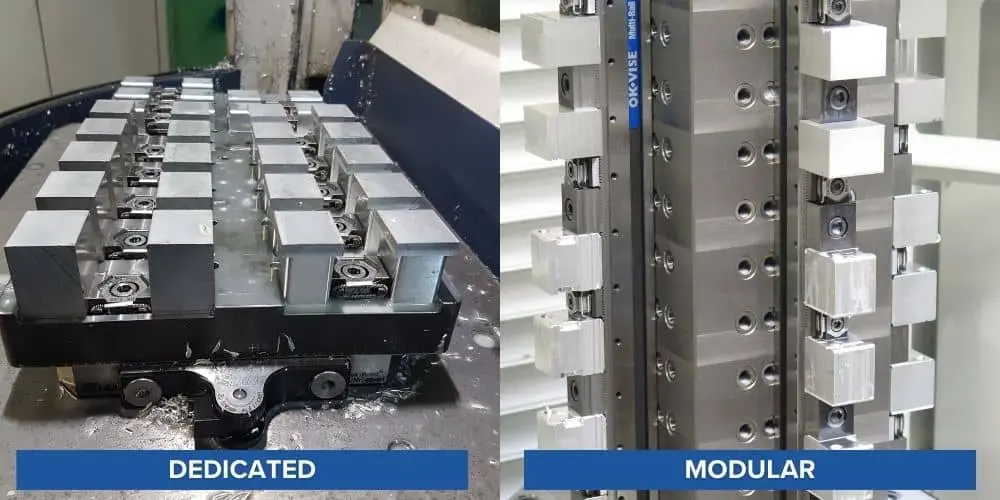
Efficiency Starts Before the First Cut
Many people define machining efficiency in terms of spindle time or cycle time. Those are important measures, but they do not tell the full story. A large amount of waste can occur before cutting begins. Operators may spend unnecessary time aligning stock, adjusting jaws, checking position, and verifying whether the part is seated correctly. These setup delays reduce machine utilization and make it harder to keep production flowing smoothly.
This is especially costly in environments with frequent changeovers, multiple part types, or short-run production. In such cases, even a small improvement in setup speed can have a large effect on total output. That is why a smarter workholding strategy should begin by reducing the amount of time and uncertainty involved in clamping the workpiece.
Choosing the right cnc vise is one of the most practical ways to improve this stage of the process.
The Best Strategy Matches the Vise to the Job
One of the biggest reasons setups become inefficient is that shops often try to use one general-purpose solution for too many different applications. While this may seem convenient, it often creates extra work. Operators have to compensate for the limitations of the vise instead of benefiting from a setup that naturally fits the job.
A better strategy is to think about the demands of the part first. Does the job require strong support for harder materials? Does it involve multiple faces that should be machined in one setup? Does it require faster loading for repeat work? Is the part geometry delicate or irregular? Once those questions are answered, the shop can select a vise that supports the process rather than slowing it down.
This is why many buyers review a wider cnc vise range when planning their setup strategy. A broader selection makes it easier to match the workholding solution to the real machining requirement.
Repeatability Is One of the Most Important Time-Saving Factors
A fast setup is not only about speed. It is also about confidence. If an operator cannot trust the vise to position the workpiece consistently, time will be lost in repeated checks and manual adjustments. That kind of uncertainty affects the whole production cycle.
Repeatable workholding solves this by making each new setup more predictable. When the part is located in a consistent position, the shop can reduce offset corrections, shorten verification time, and maintain a more standardized workflow. In many production environments, this improvement is just as valuable as shorter cycle time.
That is one reason specialized workholding becomes increasingly attractive as machining requirements grow more demanding. A setup that can be repeated reliably across different parts, shifts, and operators creates a much stronger production foundation.
Better Accessibility Reduces Setup Count
An efficient vise strategy should also consider accessibility. If the workholding system blocks too much of the part, the operator may need to remove and reposition the workpiece several times before the job is complete. Each additional setup consumes time and increases the chance of alignment error.
For complex parts, especially those involving multi-side machining, fewer setups often mean better efficiency and better accuracy at the same time. This is where a specialized 5 axis vise can offer a major advantage. By exposing more of the workpiece and reducing interference, it helps the machine access more surfaces in one clamping cycle.
This kind of setup improvement is particularly valuable in high-precision environments where repositioning can introduce variation. It also helps shops use their 5-axis machines more effectively instead of limiting them with unsuitable workholding.
Workholding Strategy Should Support Standardization
One of the biggest long-term benefits of a good vise strategy is that it makes the process easier to standardize. When the workholding method is clear, repeatable, and well matched to the job, different operators can follow the same setup logic with more consistent results. This reduces dependency on personal habits and makes the process easier to train, document, and scale.
Standardization is not only useful for quality control. It is also a major driver of efficiency. A shop that can reproduce setups more easily spends less time solving the same problems again and again. Instead of improvising with each new job, it builds a stronger operating routine around proven workholding solutions.
For many companies, that is where the real value of a well-planned vise strategy appears.
Flexibility Matters as Production Changes
No machining environment stays the same forever. Customer demands shift, part complexity increases, and new work often requires different setup methods. A vise strategy that is too narrow can quickly become a limitation. This is why efficient shops often plan for flexibility from the beginning.
A flexible workholding strategy does not mean buying every type of vise available. It means choosing solutions that cover the real range of work the shop is likely to handle, and that can adapt as production needs change. In many cases, that includes having access to both general precision solutions and more specialized options such as a 5 axis vise for advanced machining tasks.
By planning this way, shops reduce the risk of future bottlenecks and build a setup system that grows with their capability.
Conclusion
An efficient machining setup is never the result of luck. It comes from making smart decisions at every stage of the process, and workholding is one of the most important of those decisions. The right vise strategy improves setup speed, supports repeatability, reduces unnecessary repositioning, and helps the machine operate more effectively.
For shops that want better productivity and more consistent performance, workholding should be treated as part of the process design, not an afterthought. In the end, a vise is not just a clamping tool. Used correctly, it becomes a key part of a more efficient and more reliable machining system.