
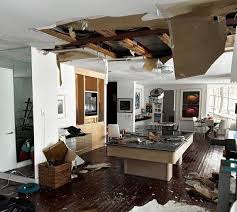
Sewer backup is one of the most stressful situations a homeowner can face. Not only does it create an unpleasant environment, but it also poses serious health risks due to exposure to harmful bacteria and contaminants. Timely and effective sewer backup cleaning is essential to protect both your property and your family’s health. In this article, we explore why professional sewer backup cleaning is crucial, the methods used, and the steps homeowners should take to ensure safety and hygiene.
Understanding Sewer Backups and Their Risks
A sewer backup occurs when wastewater flows back into your home through drains, toilets, or sinks. These backups can be caused by several factors, including blockages in the main sewer line, heavy rainfall, tree root infiltration, or old and damaged plumbing systems. Sewer backup cleaning is not just about removing water and debris—it is about restoring a safe and sanitary environment.
The risks associated with sewer backups go beyond unpleasant odors. Raw sewage contains bacteria, viruses, and parasites that can cause gastrointestinal illnesses, skin infections, and respiratory problems. Children, the elderly, and individuals with compromised immune systems are particularly vulnerable. This makes professional sewer backup cleaning indispensable, as trained experts have the knowledge and equipment to safely manage these hazards.
Why Professional Sewer Backup Cleaning Is Necessary
While it may be tempting to handle a minor sewer backup on your own, attempting DIY cleanup can be extremely dangerous. Professional sewer backup cleaning services offer several advantages:
- Safety – Technicians wear protective gear, including gloves, masks, and boots, to prevent direct contact with harmful pathogens.
- Specialized Equipment – Professionals use industrial-grade pumps, vacuums, and cleaning agents that are far more effective than household tools.
- Thorough Sanitization – Beyond removing visible waste, experts apply disinfectants to eliminate bacteria and viruses, ensuring your home is safe.
- Damage Assessment – Professionals can identify structural damage to plumbing, flooring, or walls, preventing future complications.
- Efficiency – A trained team can complete sewer backup cleaning quickly, reducing the risk of prolonged exposure to contaminants.
The Sewer Backup Cleaning Process
Professional sewer backup cleaning follows a structured process to ensure safety, hygiene, and property restoration. Understanding these steps can help homeowners appreciate the importance of calling experts immediately.
Initial Assessment and Safety Measures
When a sewer backup occurs, professionals begin by assessing the extent of the damage. They identify the source of the backup and determine whether the problem is localized or affecting multiple areas of the home. Safety measures are implemented immediately, such as shutting off electricity in affected areas to prevent electrical hazards.
Removal of Wastewater and Debris
The first step in actual cleaning involves removing contaminated water. Industrial pumps and wet/dry vacuums are used to extract standing sewage and prevent it from seeping further into walls or floors. Solid waste and debris are carefully removed and disposed of following local regulations for biohazard waste.
Deep Cleaning and Disinfection
After removing visible waste, the affected areas undergo deep cleaning. High-pressure water and professional-grade cleaning agents are used to scrub floors, walls, and plumbing fixtures. This step is critical, as sewage contains bacteria and viruses that can linger even after the water is gone. After cleaning, disinfectants are applied to eliminate pathogens and prevent mold growth, which can develop in damp environments.
Drying and Dehumidification
Moisture left behind after a sewer backup can lead to mold and structural damage. Professionals use industrial dehumidifiers, air movers, and fans to thoroughly dry affected areas. This step is essential to prevent long-term damage and maintain indoor air quality.
Restoration and Repairs
Once the area is clean and dry, any necessary repairs are made. This may include replacing damaged flooring, drywall, or plumbing fixtures. Some companies also offer odor removal treatments to ensure that your home smells fresh and safe again.
Preventing Future Sewer Backups
While sewer backup cleaning restores your home after an incident, preventing future backups is equally important. Homeowners can take several steps to minimize risks:
- Regularly inspect and maintain plumbing systems.
- Avoid flushing non-degradable items, such as wipes or feminine hygiene products.
- Install backflow prevention devices to stop sewage from entering your home.
- Schedule periodic professional inspections of your sewer lines.
- Keep gutters and drains clear of debris to prevent blockages.
Signs You Need Immediate Sewer Backup Cleaning
Recognizing early signs of a sewer backup can prevent extensive damage. Homeowners should seek professional help if they notice:
- Unpleasant sewage odors inside the home.
- Slow-draining sinks, tubs, or toilets.
- Gurgling sounds from drains.
- Water backing up into toilets, sinks, or showers.
- Visible sewage or standing water in basements or low-lying areas.
Immediate action is critical. The longer a sewer backup is left untreated, the higher the risk of health hazards and structural damage.
Choosing the Right Sewer Backup Cleaning Service
Selecting a reliable sewer backup cleaning company is essential. Consider these factors:
- Experience and Certification – Ensure the company has trained professionals familiar with local regulations and safety standards.
- Response Time – Sewer backups require urgent attention. Companies offering 24/7 emergency services are preferable.
- Equipment and Technology – Advanced equipment ensures a faster and more thorough cleanup.
- Customer Reviews – Feedback from past clients can provide insight into reliability and service quality.
Conclusion
Sewer backup cleaning is more than a simple cleanup task—it is a critical service that restores safety, hygiene, and peace of mind in your home. By relying on professional expertise, homeowners can mitigate health risks, prevent property damage, and ensure their living spaces remain safe and sanitary. Immediate action, combined with preventive measures, can reduce the likelihood of future backups and protect your home from costly damage.
Professional sewer backup cleaning transforms a hazardous situation into a controlled, safe, and hygienic environment, proving that expert intervention is invaluable when dealing with raw sewage emergencies.